
MISSION
Progressive theology has long taken shape at Union, where faith and scholarship meet to reimagine the work of justice. Grounded in the Christian tradition and responsive to the needs of God’s creation, a Union education prepares its students for committed lives of service to the church, academy, and society. A Union education develops practices of mind and body that foster intellectual and academic excellence, social justice, and compassionate wisdom. Union forms courageous faith leaders who make a difference wherever they serve.
VISION
Education at Union Theological Seminary is deeply rooted in a critical understanding of the breadth of Christian traditions yet significantly instructed by the insights of other faiths. It makes connections between these traditions and the most profoundly challenging issues of our contemporary experience: the realities of suffering and injustice, world religious pluralism, the fragility of our planet, and discoveries of modern science. Union envisions a future in which teaching and learning continues to be ecumenical in spirit, supporting a record of academic excellence and a deep commitment to social justice. Union envisions its graduates changing the world by practicing their vocations with dedication that bring a religiously grounded, critical and compassionate presence to the major personal, social, political and scientific realities of our time.
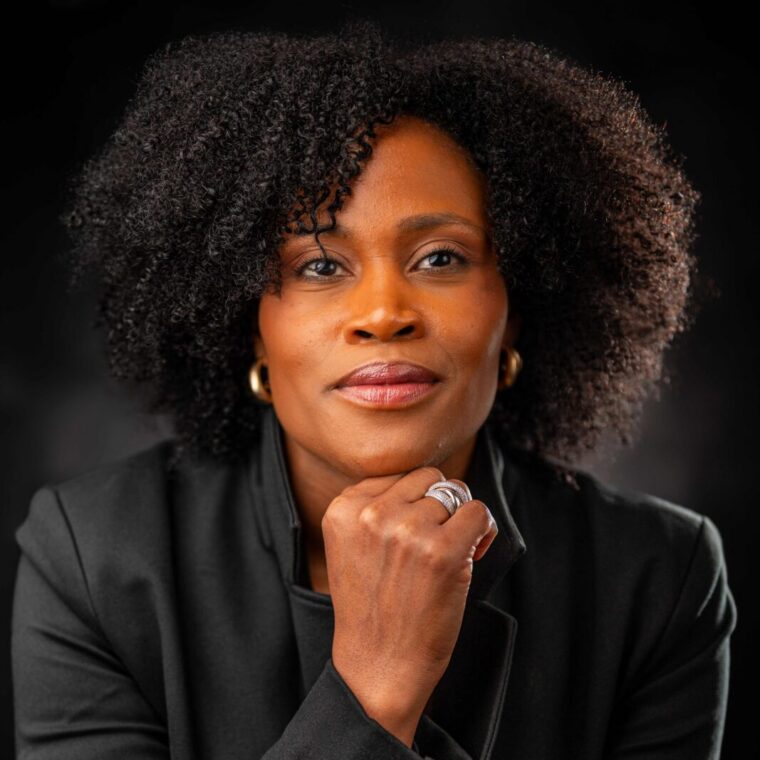
Union is a seminary of uncommon courage: a place that trains people not simply to hold belief, but to hold our beliefs, sacred texts, and history accountable to the urgent claims of the world outside these doors. Union does not ask us to choose between rigorous scholarship and a passionate commitment to justice. Union demands that we bring both, at once, into the same room. And most importantly, it makes this demand to ensure that faith, scholarship, and justice have an intelligible impact on the everydayness of life.
- The Rev. Dr. Lisa L. Thompson,
17th President of the Faculty of Union Theological Seminary
Union Theological Seminary has always embodied the freedom to learn and the freedom to teach—ideals that may be more critical than ever to churches and society at this moment in history.
Statement of Values
At Union Theological Seminary in the City of New York, we collectively strive to embody in all aspects of our life together – in classrooms, in community gatherings, in worship, in field education, in student, faculty, staff, administrative, and Board life together – values that reflect our yearnings for right-relation with one another and with the spiritual and religious traditions that form us. We do this through practices that are both as ancient as the living-traditions we study and as vital as the pressing present-day challenges we face. Across our varied religious/spiritual groundings are values that are core to these shared practices. We value an ethic of love, justice, and mercy towards all people and affirm the universal dignity, value, and rights of all. We share values of respect and care for one another, embracing of our differences as well as our common humanity. We honor the importance of intensive study, an openness to new learning, and ever-evolving capacities for constructive and critical engagement. We value community, how we are shaped and formed by ancient and new spiritual practices that we engage in relation to one other. Supporting this, Union values freedom of expression, and importantly, religious expression and expressions of conscience, as these are essential for the cultivation of a healthy and caring seminary community of conversation and debate. These values also have been, are, and will be essential to sustaining our nation and are enshrined in our founding documents.
Based on our religious traditions and spiritual experience, we acknowledge the centrality of perspectives that arise from communities that have been socially and historically marginalized and disempowered. In this, we affirm what liberation theologians refer to as a “preferential option for the poor.” We strive to build an institution that embraces as a priority the lived-experience of the immigrant, the rural and urban poor, people who are unhoused, those without food or access to life-sustaining social systems, people who are incarcerated and those who were formerly incarcerated, the LGBTQIA community and especially the presently vulnerable trans community, racial and ethnic communities who suffer historic and ongoing oppressions, the community of women and girls who have the right to make decisions about their bodies, people who are differently-abled, the international community, and the harms and hopes of all who dwell within the arms of our education. Because of these values, we stand in a long tradition of religious communities who understand themselves as faith-based “sanctuaries” for those who seek protection. We also value the life-giving reality of our planetary life together and seek lifeways that are earth-affirming, not earth-destroying.
All these values, as they are manifest in our communal actions, have as their goal the creation of a broader world in which these values flourish and fundamental human rights and obligations are respected and protected. In this regard, we value the importance of bringing faith, intellect, and spirit to public voice. Union lifts up the values of constantly renewed imagination and the art of new vision-making for ourselves and for a world torn by forces that deny collective flourishing. At Union, these values build on two-hundred years of shared reflection on the religious call to live rightly with one another and with our earth.
# # #
Union Theological Seminary (UTS), founded in 1836 in New York City, is a globally recognized seminary and graduate school of theology where faith and scholarship meet to reimagine the work of justice.